
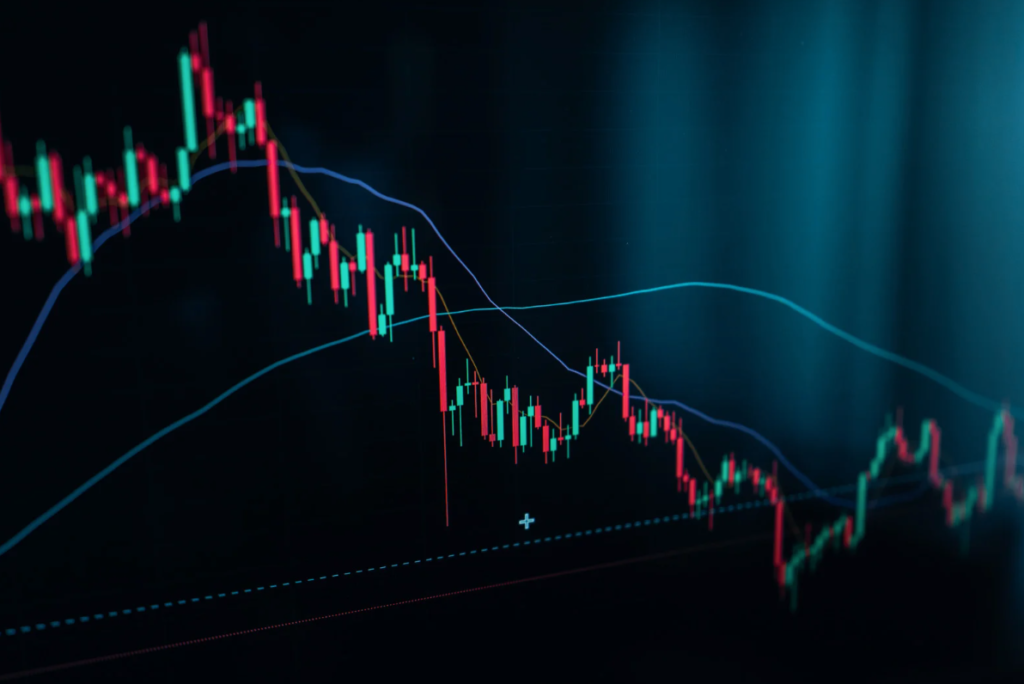
If you’ve spent any time watching cryptocurrency prices, you’ve probably noticed one thing—they move fast. One day Bitcoin surges 10%, the next day it drops just as much. Ethereum, Solana, and other altcoins often follow the same rollercoaster pattern. This wild behavior is what experts call crypto market volatility, and understanding it is the key to surviving—and even thriving—in the digital asset world.
Volatility can be both an opportunity and a threat. It’s what makes crypto exciting to traders but nerve-wracking for long-term investors. The question is, why does it happen so frequently? And why does the crypto market seem more unpredictable than traditional financial markets?
Let’s dive deep into what causes these wild swings and how you can navigate them wisely.
What Is Crypto Market Volatility?
At its simplest, crypto market volatility refers to how much and how quickly cryptocurrency prices change over time. In finance, volatility measures uncertainty or risk. The more prices move—up or down—the more volatile the asset is.
Cryptocurrency volatility makes headlines because it’s extreme compared to stocks or bonds. A 1% move in the stock market can dominate financial news, but in crypto, 10–20% swings in a single day are not unusual.
This unpredictability stems from multiple factors—market structure, investor psychology, liquidity, and even regulation. Unlike traditional markets with centuries of data and established institutions, the crypto market is still young and largely unregulated, which amplifies volatility.
Why Crypto Prices Swing So Wildly
There’s no single reason why crypto markets are so unpredictable. It’s a combination of forces—some structural, others emotional—that create constant turbulence.
1. Limited Market Liquidity
Liquidity refers to how easily you can buy or sell an asset without affecting its price. Crypto markets often have lower liquidity compared to stocks or forex.
When big players (called “whales”) buy or sell large amounts, they can move prices dramatically. A single large transaction can trigger chain reactions of buying or panic selling, especially in smaller coins with low trading volumes.
2. Speculative Trading and FOMO
Cryptocurrency attracts millions of retail traders driven by speculation, not long-term fundamentals. Social media hype, influencer posts, and fear of missing out (FOMO) can send prices skyrocketing.
But just as fast as enthusiasm rises, fear can spread—causing rapid sell-offs. This emotional trading pattern keeps the crypto market in a perpetual state of volatility.
3. Lack of Regulation and Oversight
Unlike traditional markets with strict oversight, crypto remains largely decentralized and under-regulated. This freedom invites innovation—but also manipulation.
“Pump and dump” schemes, insider trading, and coordinated buying groups can distort prices without warning. Until more consistent global regulation is established, volatility will continue to be part of the crypto landscape.
4. Technological and Security Risks
Crypto assets rely on blockchain technology, which, while secure, isn’t immune to hacks or technical failures. News of an exchange breach, network outage, or smart contract flaw can instantly shake investor confidence and send prices tumbling.
Even rumors—true or not—can cause panic selling in seconds.
5. Market Sentiment and Media Influence
Crypto is a sentiment-driven market. Headlines, tweets, and online discussions can spark massive moves. When Elon Musk tweets about Bitcoin or Dogecoin, the market reacts instantly.
Since most participants are online 24/7, news travels at lightning speed—fueling emotional reactions and creating an unpredictable cycle of euphoria and fear.
How Volatility Impacts Crypto Investors
Crypto market volatility affects everyone differently, depending on their goals and strategies.
For short-term traders, volatility can mean profit opportunities. Price swings create room for gains through day trading or swing trading.
For long-term investors, however, it can test patience and conviction. Watching your portfolio rise 50% one month and drop 30% the next isn’t easy. That’s why emotional control and risk management are crucial in crypto investing.
Let’s look at how volatility influences decision-making and outcomes.
1. Emotional Decision-Making
The constant price fluctuations can lead to panic buying or selling. When prices rise sharply, greed takes over. When they fall, fear dominates.
The best investors remain calm, using volatility as an opportunity rather than a trigger for impulsive decisions.
2. Long-Term Growth vs. Short-Term Noise
While short-term price changes can be dramatic, historical trends show that major cryptocurrencies tend to rise over time. Investors who zoom out and focus on multi-year growth often weather volatility better.
Patience, not panic, is the secret weapon.
3. Diversification Challenges
Traditional portfolios use diversification to reduce volatility. In crypto, however, most assets move together—meaning Bitcoin’s price often influences the entire market.
The best retirement planners of crypto often mix digital assets with traditional investments like stocks or bonds to stabilize returns.
Comparing Crypto Volatility to Other Markets
To understand how volatile crypto is, it helps to compare it with other asset classes.
-
Stocks: Average annual volatility ranges between 15–20%.
-
Gold: Around 10–15%.
-
Bitcoin: Often exceeds 70–80% annualized volatility.
That’s four times higher than stocks—and much higher than gold, which is often seen as a “safe haven.”
Crypto’s volatility stems from its youth, evolving technology, and speculative nature. As the market matures and adoption increases, volatility is expected to decrease gradually—but it’s unlikely to disappear entirely.
Key Drivers Behind Crypto Market Volatility
1. Market Maturity
Crypto is still developing. As it grows, more institutional investors, regulations, and global participation will likely stabilize price movements.
2. Liquidity Expansion
As more exchanges open and trading volumes grow, liquidity improves—reducing the impact of large trades and making the market more stable.
3. Technological Advancements
Upgrades to blockchains, such as Ethereum’s transition to proof-of-stake, can boost confidence and reduce uncertainty, indirectly lowering volatility.
4. Regulatory Clarity
Governments around the world are working toward clearer crypto regulations. Once rules are consistent and transparent, the market will likely attract more institutional investors, reducing erratic price behavior.
How to Manage Risk in a Volatile Crypto Market
You can’t eliminate volatility—but you can manage it. The best crypto investors use risk management strategies to protect their capital while staying positioned for potential gains.
1. Diversify Across Assets
Don’t put all your money into one cryptocurrency. Spread investments across multiple assets with different risk profiles—such as Bitcoin, Ethereum, stablecoins, and promising altcoins.
2. Use Dollar-Cost Averaging (DCA)
Instead of investing a lump sum, invest a fixed amount regularly. This strategy smooths out your entry price and reduces the emotional impact of short-term market moves.
3. Secure Your Holdings
Volatility can attract hackers. Use cold storage wallets, enable two-factor authentication, and avoid leaving large sums on exchanges.
4. Keep a Long-Term Perspective
Ignore daily noise. The crypto market rewards patience. Over time, volatility tends to average out for investors who stay disciplined.
5. Learn to Read Market Sentiment
Track metrics like the Fear and Greed Index or social media sentiment to gauge investor mood. Understanding psychology can help you anticipate market swings.
Why Crypto Volatility Isn’t Entirely Bad
It’s easy to think of volatility as dangerous—but it’s also what makes crypto exciting and profitable. Without volatility, there would be no rapid growth, innovation, or trading opportunities.
Volatility attracts capital, developers, and attention. Every sharp correction flushes out weak projects and strengthens the ecosystem.
In other words, volatility isn’t a flaw—it’s a feature of an evolving market.
The Future of Crypto Market Volatility
Will crypto ever become stable? Possibly, but not completely. As adoption increases, volatility should decrease to more predictable levels. However, as long as speculation and innovation drive the space, price fluctuations will continue.
Institutional investment, global regulation, and technological maturity will play key roles in shaping the market’s stability. But even in a more mature environment, cryptocurrencies will likely remain more volatile than traditional assets.
That’s not necessarily bad—it simply means investors must understand and respect the risk.
Conclusion
Crypto market volatility is what makes the digital asset world thrilling, frustrating, and full of opportunity. It’s driven by factors like limited liquidity, emotional trading, regulation gaps, and evolving technology.
While no one can predict the next big swing, you can prepare for it. Stay diversified, think long-term, and manage your emotions. The best investors don’t fear volatility—they learn to ride its waves.
In the unpredictable world of crypto, those who understand volatility don’t just survive—they thrive.
FAQ
1. What is crypto market volatility?
It’s the degree of price fluctuation in cryptocurrencies over time, showing how unpredictable the market can be.
2. Why is the crypto market so volatile?
Low liquidity, speculation, lack of regulation, and media influence all contribute to high volatility in crypto.
3. Can volatility in crypto be reduced?
Yes, as the market matures, liquidity grows, and regulations improve, volatility may decrease—but never vanish entirely.
4. How can investors handle volatility?
By diversifying, using dollar-cost averaging, managing risk, and maintaining a long-term investment mindset.
5. Is crypto volatility good or bad?
Both. It creates opportunities for profit but also increases risk. Smart investors use volatility to their advantage.