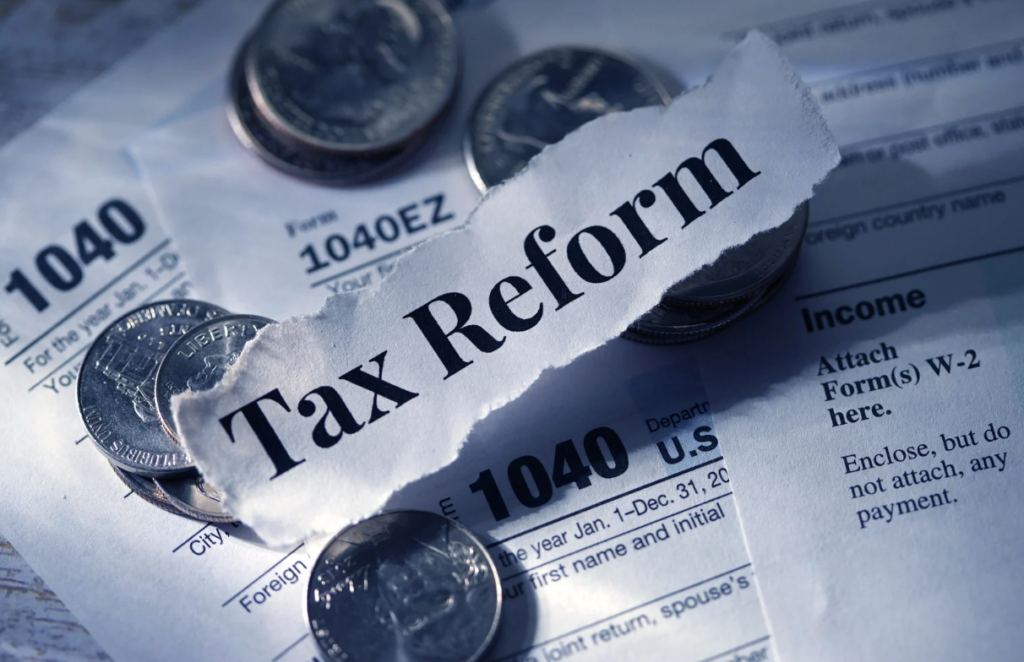
Upcoming tax reforms are once again drawing attention, especially for retirees and those nearing retirement. Taxes do not fade away after work ends. Instead, they often become more important. When required minimum distribution rules change alongside broader tax policy, even small updates can affect long-term plans.
For many people, tax rules feel permanent. In reality, they change often. Governments adjust policies to meet new needs. Population trends also shift over time. Because of this, tax reform discussions frequently touch retirement income first.
Rather than trying to predict every detail, it helps to understand the direction of change. Preparation matters more than perfect timing. When rules shift, people who planned ahead usually stay calm. By contrast, those who did not often feel rushed.
Why Upcoming Tax Reforms Matter for Retirement Planning
Upcoming tax reforms matter because retirement income is taxed in different ways. Withdrawals from traditional retirement accounts, Social Security benefits, and investment income all interact with tax rules.
As populations age, governments face higher long-term spending. Public programs must last longer. For this reason, tax systems are often adjusted. Retirees may not be targeted directly. Still, they are often affected.
In addition, longer life expectancy adds pressure. Retirement can last 25 to 40 years. During that time, tax rules will almost certainly change more than once. Planning as if today’s rules will last forever creates risk.
When future tax reforms are considered early, changes can be handled gradually instead of under stress.
How RMD Rules Fit Into Tax Reform Discussions
Required minimum distributions, often called RMDs, are mandatory withdrawals from certain retirement accounts. These withdrawals begin once a set age is reached.
The goal of RMD rules is simple. Money that received tax deferral must eventually be taxed. As a result, withdrawals are usually treated as ordinary income.
However, these rules also shape retirement cash flow. Large required withdrawals can push retirees into higher tax brackets. This can happen even when the income is not needed.
Because of that impact, RMD rules often appear in discussions about upcoming tax reforms.
Recent RMD Changes Hint at Future Policy Shifts
Over the past few years, RMD rules have changed more than once. Starting ages have moved. Penalties have been reduced. At times, distributions were paused during economic stress.
These changes send a clear message. RMD policy responds to conditions and priorities.
Lawmakers revisit these rules when balancing retirement security and tax revenue. As a result, future tax reforms may include more adjustments.
Planning should assume that RMD rules can change again.
Why Governments Adjust RMD Policies Over Time
Governments review RMD policies for several reasons. One reason is revenue timing. Changing when withdrawals occur also changes when taxes are collected.
Another reason involves fairness. Policymakers try to balance encouraging savings with ensuring those savings are eventually taxed.
Longevity also plays a role. As people live longer, forcing early withdrawals may no longer match modern retirement patterns.
For these reasons, tax reform proposals often include RMD changes.
Upcoming Tax Reforms and Retirement Account Taxation
Upcoming tax reforms may affect more than RMD starting ages. They can also change how retirement accounts are taxed overall.
Possible changes include tax brackets, deductions, and income thresholds. Even small adjustments can raise effective taxes without raising headline rates.
For retirees, income sources often overlap. Withdrawals, benefits, and investment income can combine in unexpected ways.
Understanding these interactions helps reduce surprises and supports better planning.
Why Timing Matters More When Tax Rules Change
Timing plays a major role in tax planning. Future tax reforms often change when it makes sense to take income.
In some cases, delaying withdrawals lowers taxes. In other cases, taking income earlier can help. The right choice depends on both current rules and future expectations.
RMDs limit timing flexibility. That is why changes to RMD policies matter so much.
Tax-aware timing focuses on lifetime taxes, not just a single year.
Roth Accounts and Tax Reform Uncertainty
Roth accounts often receive attention during tax reform periods. Qualified Roth withdrawals are usually tax-free, which adds flexibility.
RMD rules for Roth accounts differ from traditional accounts. In the future, reforms could change that balance.
If tax rates rise, tax-free income becomes more valuable. If rules tighten, flexibility matters even more.
Holding a mix of account types helps manage uncertainty.
How Tax Reform Affects Retirement Income Planning
Retirement income planning is not something you set once and forget. Tax reform introduces moving parts.
Withdrawals affect tax brackets. Those brackets affect benefit taxation. RMDs affect timing.
When rules change, income strategies must adapt. Static plans struggle under new conditions.
Regular reviews allow smoother adjustments and better long-term results.
The Risk of Ignoring RMD Policy Updates
Ignoring RMD changes can be costly. Forced withdrawals may trigger higher taxes. Missed distributions can also lead to penalties.
In addition, future tax reforms may change enforcement rules. Staying informed reduces risk.
More importantly, early awareness creates planning opportunities that disappear later.
Why Flexibility Is the Best Defense Against Tax Changes
Flexibility is the strongest response to change. Tax reform rewards adaptable plans.
Diversified accounts, adjustable withdrawals, and ongoing reviews all help.
Rigid plans assume stable rules. History shows that assumption rarely holds.
Flexible plans absorb change with far less stress.
Planning for Policy Change Over the Long Term
Strong retirement planning assumes policy will change. Tax reform fits into that expectation.
Rather than guessing exact outcomes, good plans consider scenarios.
For example, what if tax rates rise? What if RMD ages increase? What if brackets shift?
Scenario planning builds resilience over time.
The Emotional Side of Tax Changes in Retirement
Taxes feel personal, especially in retirement. Income often feels limited. Change can create anxiety.
Tax reform headlines may trigger rushed decisions. Acting too quickly often leads to regret.
A clear plan reduces emotional reactions. Preparation replaces panic.
Conclusion
Upcoming tax reforms and RMD policy changes are ongoing parts of modern retirement planning. As fiscal priorities shift and people live longer, retirement tax rules will continue to evolve. By understanding how upcoming tax reforms interact with RMD policies, retirees can adjust calmly instead of reacting under pressure. Flexible income strategies, diversified accounts, and regular reviews turn uncertainty into manageable change. In the end, preparation remains the most reliable source of confidence in retirement.
FAQ
1. What do upcoming tax reforms usually affect for retirees?
They often affect retirement income taxes, RMD rules, and deductions.
2. Why do RMD rules change over time?
They change due to longevity trends, economic needs, and revenue goals.
3. Can tax reforms increase retirement taxes without higher rates?
Yes. Bracket changes and deduction limits can raise effective taxes.
4. How can retirees prepare for tax rule changes?
By staying flexible, diversifying accounts, and reviewing plans regularly.
5. Should retirement plans assume current tax rules will stay the same?
No. Strong plans expect change and prepare for it.